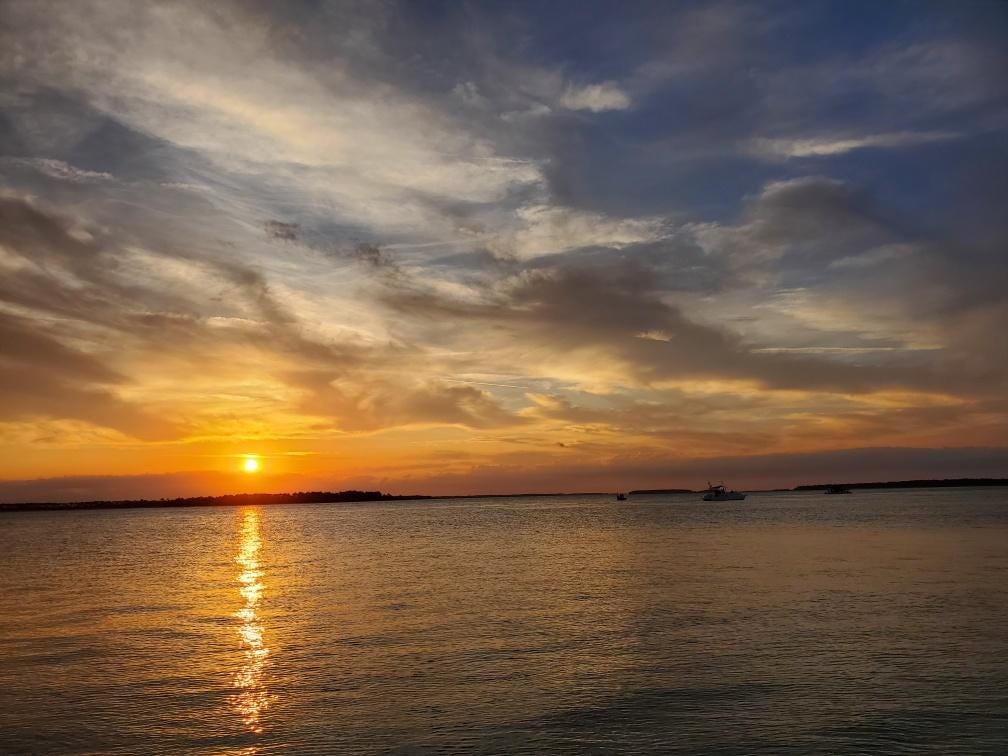

Imagine you are a twenty-five-year-old Englishman in 1779. You live in Birmingham or London, or some other metro area. After a night of carousing in the local tavern you wake up to find out that friendly, helpful guy in the red coat who talked with you for so long was in fact a recruiter for the Army, and you’ve signed up to fight for the Crown in the American colonies. You’ve never traveled further than twenty miles from your home, but a few months later you are standing on the deck of a ship at the mouth of the Edisto River, dressed in the scarlet wool uniform that you’ve been told commands respect across the globe, and you see this:
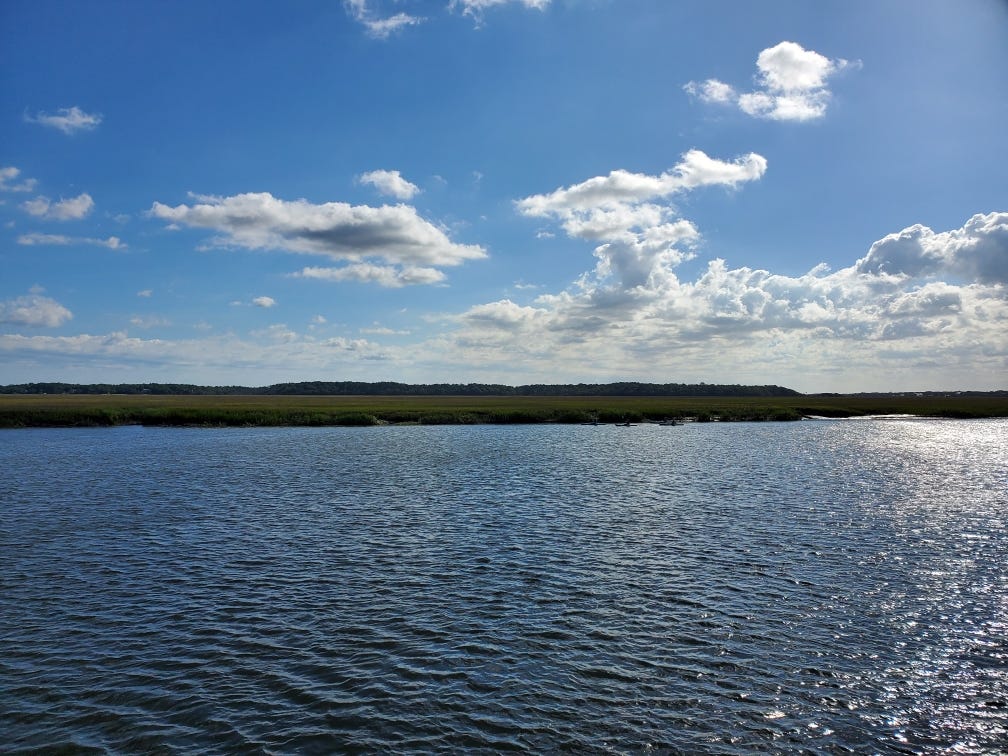
Miles of marsh, stretching as far inland as you can see. Beyond that awaits a dense forest of palmetto trees and huge oaks dripping with Spanish moss. The insects are buzzing so loudly you don’t think you’ll ever be able to ignore the sound. The air is thick with humidity, even in early spring, and by the time your flatboat descends and you’re rowing through the maze of pluff mud islands your back is drenched with sweat. And the smell! It’s like sulfur! The whole place seems to be teeming with disease, and you wonder if any water around here is fit to drink. Once you reach the shore and get a good look at the jungle awaiting you, you find yourself thinking, a la Gob Bluth: “I’ve made a huge mistake.”
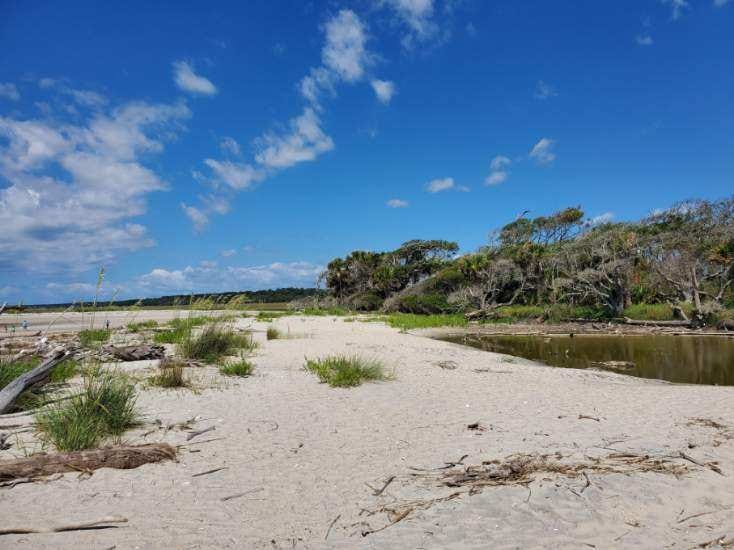
That single image, of a redcoat arriving on South Carolina shores, is what set the tone for Octavia Hall. It first hit me last spring on the trip home from visiting relatives on Fripp Island. I’d finished The Turncoat in Carrington Park a few months prior and was toying with the idea of a sequel. I’d started writing it, actually, but I wasn’t quite sure I really liked it yet. Then, while crossing the bridge from Lady’s Island to Beaufort, I found myself gazing across the marsh at low tide, wondering how intimidating that would have looked to some half-hearted recruit in the later years of the American Revolution. I imagine even the seasoned veterans sailing down from their posts in New York felt a little clammy at the first sight of that coastline.
During May and June 2026, I spent some time on a few barrier islands in South Carolina, taking pictures and making notes on the setting that I wanted to share with my readers. As I said in my author’s note, Cinder Island, where Octavia Hall begins, is itself fictional, though the islands that inspired it are very, very real. So let’s go visit some.
All images are mine, unless otherwise noted.
The islands
I am going to write mostly about Edisto, because it’s the one I’m most familiar with. Edisto Beach is one of those places where you either love it, or you think it’s the most boring beach on earth. I am of the former opinion. There are no hotels, no impressive shops, the restaurants change names every 5-10 years but otherwise stay the same, and there is only one grocery store. If you want a quiet, peaceful beach vacation where the only drama is the annoyance of trying to safely pass the golf carts driving too slow on Jungle Road, Edisto is the perfect place for you.
Edisto is also part of the ACE Basin, a protected wetland that sits squarely in the Lowcountry. One thing that is crucial to remember if you aren’t familiar with barrier islands in general, is that the travel between them can be…interesting.
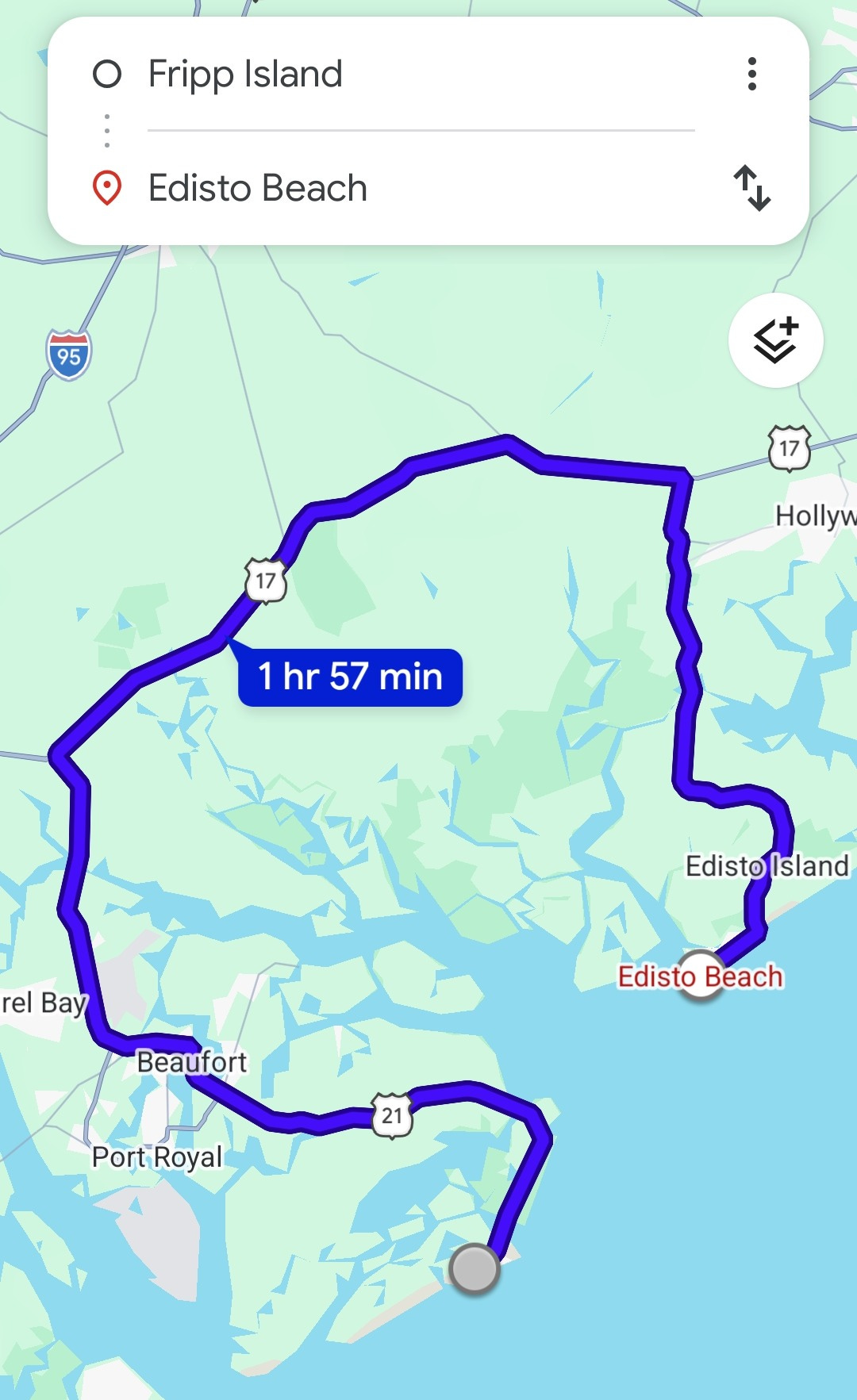
Eyeballing it, these islands are about ten miles apart. And it takes two hours to get from one beach to the other. There is literally no other road. I realize two hours in the car is child’s play compared to hauling out to somewhere like the Outer Banks, but my point is distances on the map can be deceiving. This is partly because of the positioning of the islands themselves, and partly the fact that they are often comprised of protected land. I am in no way complaining about this. Just the opposite. I think it’s cool that much of the undeveloped land looks the same as it would have during the colonial years.
The flora
First, a note on Spanish moss. For my entire life, I have heard it’s illegal to pull Spanish moss from trees in South Carolina. Yes, illegal. This has come up on every beach trip I can remember. It’s okay to pick pieces off the ground, but don’t you dare pull it off the trees! While working on this essay I decided to look up if that’s actually true. I could not find an answer, which makes me think it’s not a law, but it is most definitely frowned upon. (Correct me if I’m wrong, please.) If you’re in a public place in the Lowcountry and start yanking down gobs of Spanish moss, be prepared for some comments, or at least some aggressive side-eye. What does that have to do with the book, you ask? Literally nothing, just consider yourself warned if you’re planning a vacation around here.
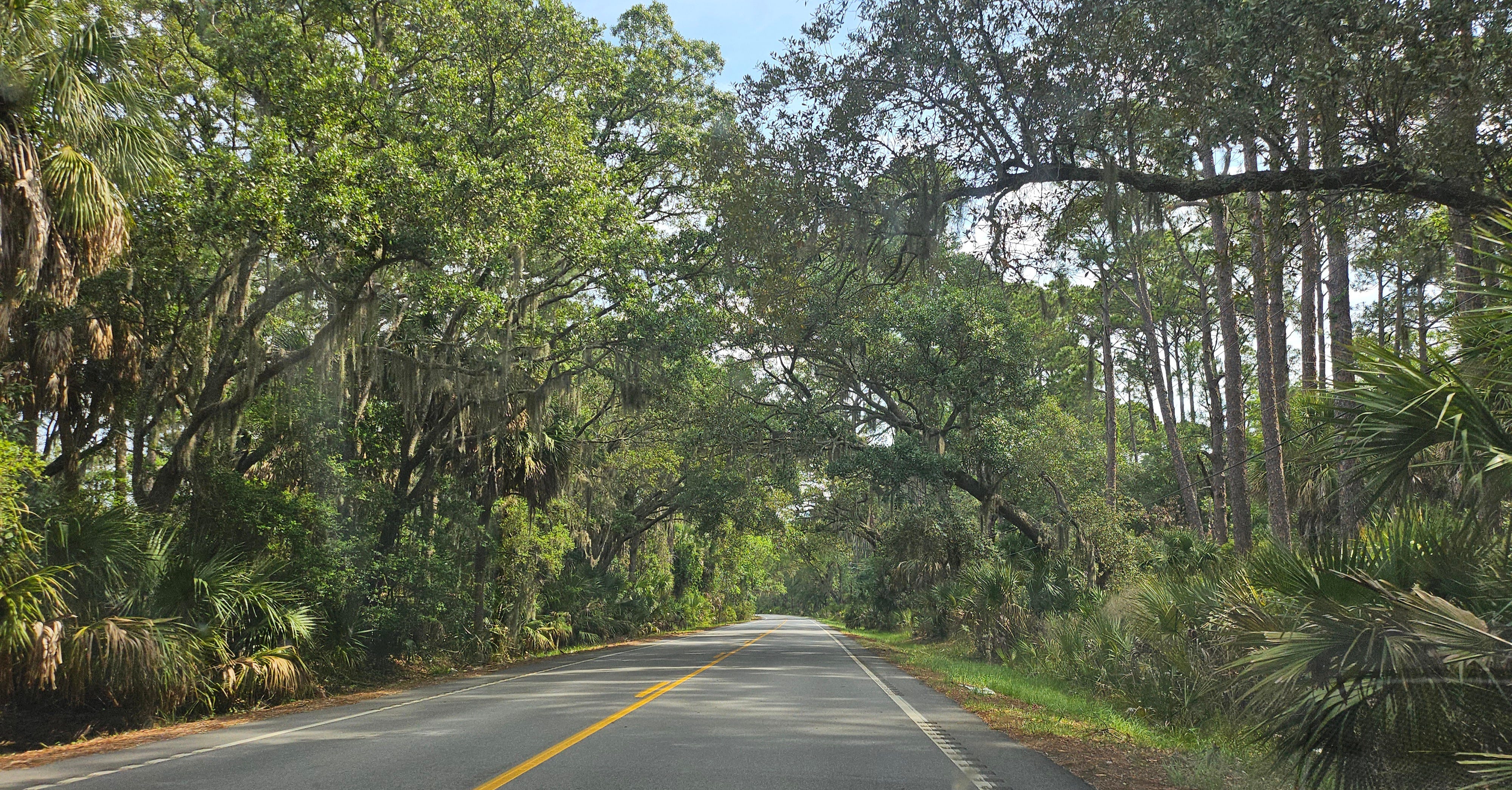
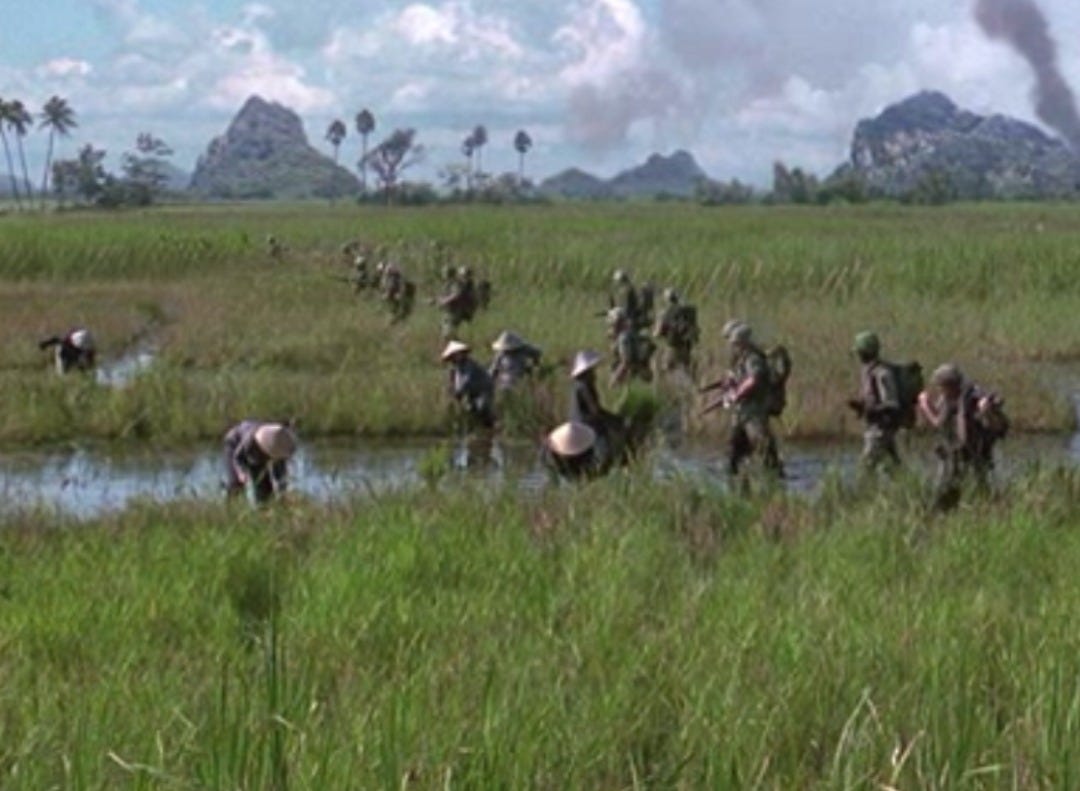
The forests on these islands are so jungle-y I hesitate to call them forests at all. They are full of oaks and pines and the ubiquitous palmetto trees, and vine-y plants as thick as your wrist. The Vietnam scenes in Forrest Gump were filmed on Fripp, to give you an idea of how rustic we’re talking.
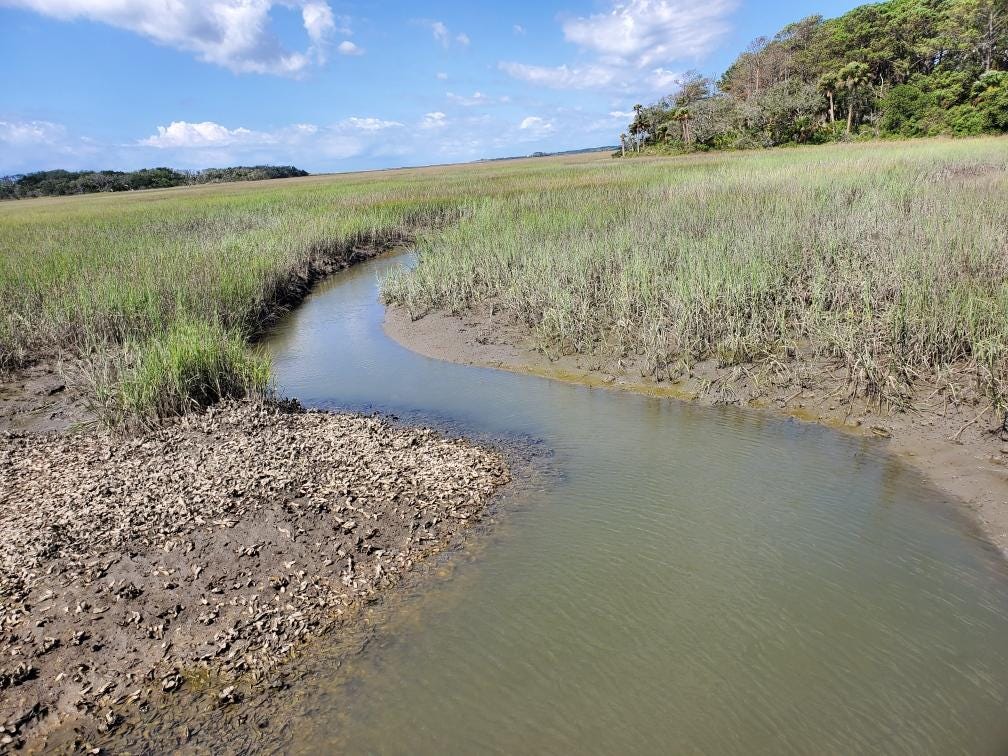
The marshes themselves are so much fun to explore, if you can get past the stink factor. I feel like I’m harping on the smell a lot, but it is genuinely shocking if you aren’t used to it. I’ve heard it compared to a paper mill or sewage, though others say it just smells like salt water. Years ago my then-boyfriend-now-husband and I spent an afternoon kayaking through the marsh off Edisto’s Bay Point. There were loads of dolphins in the river and in the marsh itself we found an endless labyrinth of narrow waterways and muddy little islands covered with reeds and grasses. At low tide the water recedes, revealing the heavy, dark pluff mud peppered with holes where the little crabs and mollusks live. That mud is nearly impossible to remove if it stains your clothes, by the way. It’s almost as bad as the red clay soil of the Upstate. Crabbing and fishing are popular activities in the marsh, just dress accordingly!
While the first part of the story takes place at the coast, it moves progressively further inland. That means one thing: pine trees. I don’t know if they’re longleaf or loblolly pines, but they are everywhere. They grow in swamps, they grow on dry land, it doesn’t matter. If you spend any amount of time on I-26 to Charleston (the most boring stretch of highway on the East Coast) you will see thousands of pine trees, and pretty much nothing else. I like to shave off time on my drive to Edisto by taking the more rural route through Round O and Parkers Ferry. Not only does this make my phone GPS and car GPS compete for my affections, since my car always wants to send me through Walterboro for some reason, but it again offers a look at mostly untouched land in the Lowcountry. This time I was even within spitting distance of the Pon Pon Chapel of Ease, the first Anglican Church in South Carolina, but it’s currently closed (for restoration, I hope). A real shame, though I intend to go visit it once it’s open again.
The fauna
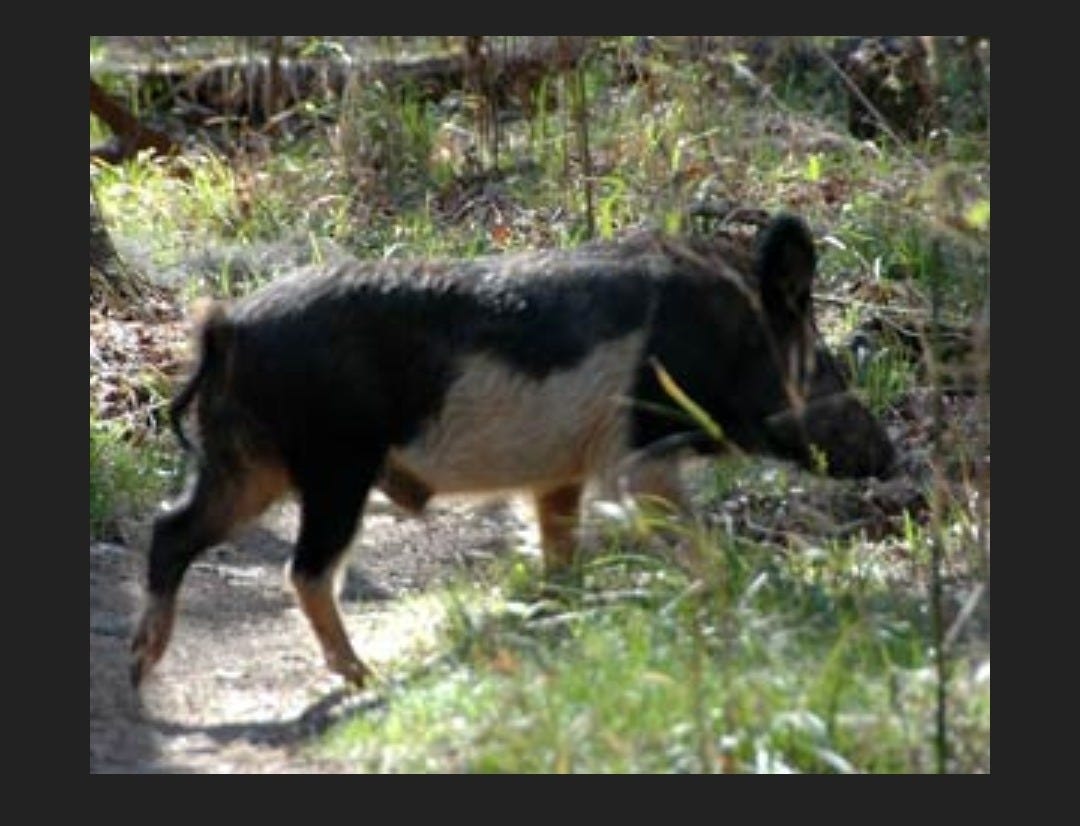
The Lowcountry is home to beautiful birds like egrets, herons, plovers, pelicans, sandpipers, spoonbills, and dozens of others. There are also swarms of deer, which are a huge problem on some islands, and snakes of both the venomous and nonvenomous nature. In the 1770s-80s there were pumas and feral pigs in the area as well. There are still feral pigs, by the way, and they are extremely dangerous.
But I don’t want to talk about any of those animals. I want to talk about mosquitoes. If you are like me, and have the kind of blood that seems to attract every mosquito within a twenty mile radius, you will appreciate the call out.
On that same trip many years ago where I enjoyed a leisurely kayaking through the marsh, my boyfriend also persuaded me to take a bike ride with him at the ACE Basin headquarters. I was dubious, because I generally don’t like riding bikes, but agreed because I try to be a good sport. We loaded our bikes into his truck, drove up 174, and spent the afternoon biking.
I will never do that again.
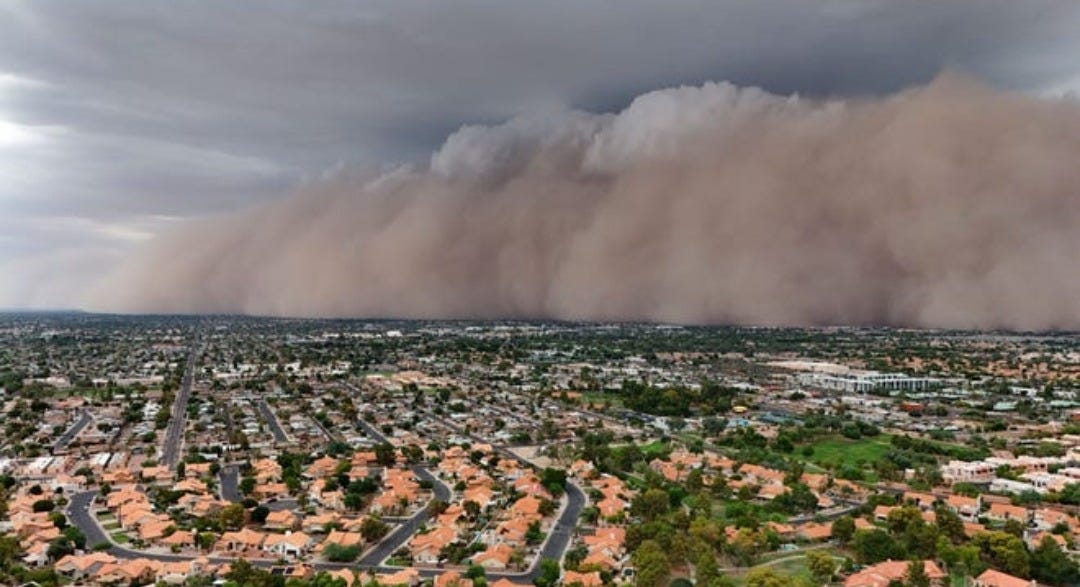
First off, this was in late June, which means suffocating heat and humidity. This itself is not so bad if you’re sipping lemonade on a screened-in porch, but on a bike in midafternoon, in the blazing sun without a cloud in sight? No thank you. There are bike paths around some old rice fields from the plantations that stood there in centuries past, and that part I did enjoy, because at least there was a breeze. But to get there you had to ride through the woods, and when I tell you the mosquitoes were bad, please know that I mean there were literally swarms of them. I did not care that I was drenched in sweat from riding that blasted bike, I didn’t want to rest because the second I stopped pedaling a cloud of mosquitoes descended on me like a living haboob.
By the end of the afternoon my left forearm had been bitten so many times that it had swelled up and was hot to the touch. It took days to calm down. Boyfriend was fine. Nary a bite. (We still talk about this bike ride, by the way, and what an unmitigated disaster it was. It’s funny now! At the time, not so much.)
The weather
I think it’s generally agreed that, in temperate climates, March is one of the more unpredictable months regarding weather and temperature. Whenever March rolls around people on Substack are all “How is it snowing today?! It was 60 degrees last week!” and “Can’t put away the sweaters, but can’t get out the shorts yet…what to do?”
I knew warm temperatures would be an important element to the story (warm, wet weather —> disease-carrying mosquitoes), so I looked up average and record highs for the area. Obviously none of these sources go back to the 1780s, but I was shocked to find one source said that for Charleston, the record high for the month of March was 94 degrees (Fahrenheit) on March 23, 1907.
While I can’t be sure what the exact temperatures were in March 1780, when the book is set, I know from my research that the British truly struggled with the heat and that, paired with malaria and dysentery, etc., had a major impact on their troops. There’s a line in the book about officers’ horses dying from the heat; I did not make that up, I encountered that tidbit in my research, though it would’ve been more likely to happen in late spring or summer rather than March.
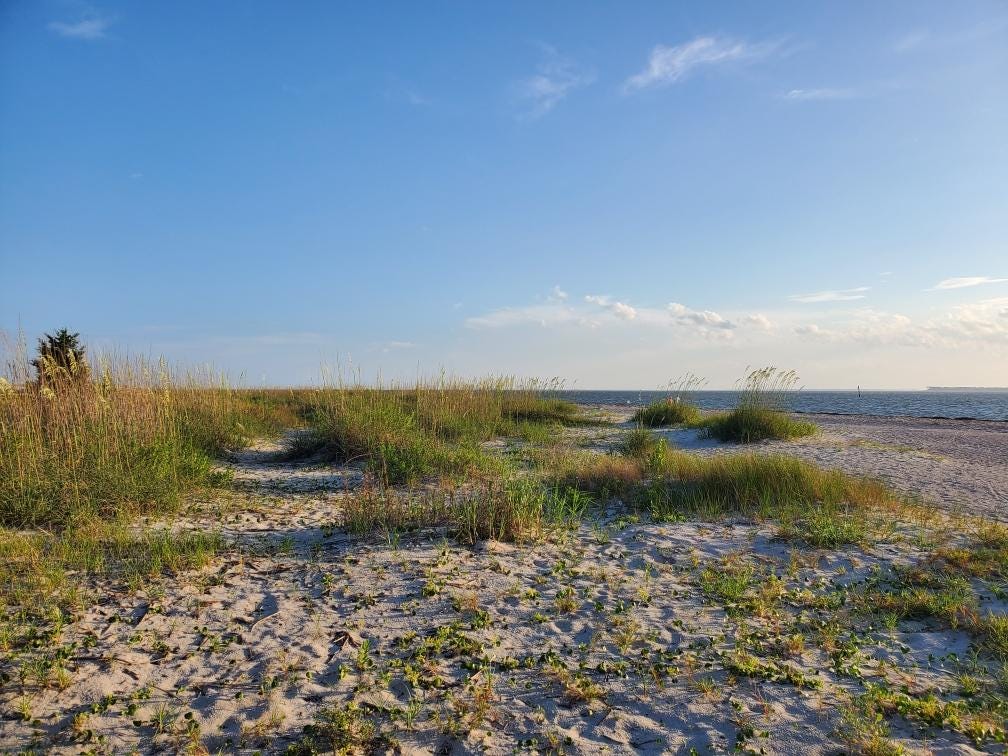
I am so happy I was able to look at these places through new eyes while preparing this book. I didn’t get to do that last time, since TCP was set in a fictional sister city to Philadelphia. I’m sure Philadelphia has some surviving colonial relics, but it’s tougher for an urban area to preserve those pockets of the past. The next book presents its own challenges with the Backcountry, and my recent trip to the Ninety Six Historical Site provided a glimpse into a community that was vital and thriving during the American Revolution, but has since been lost to the vestiges of time.
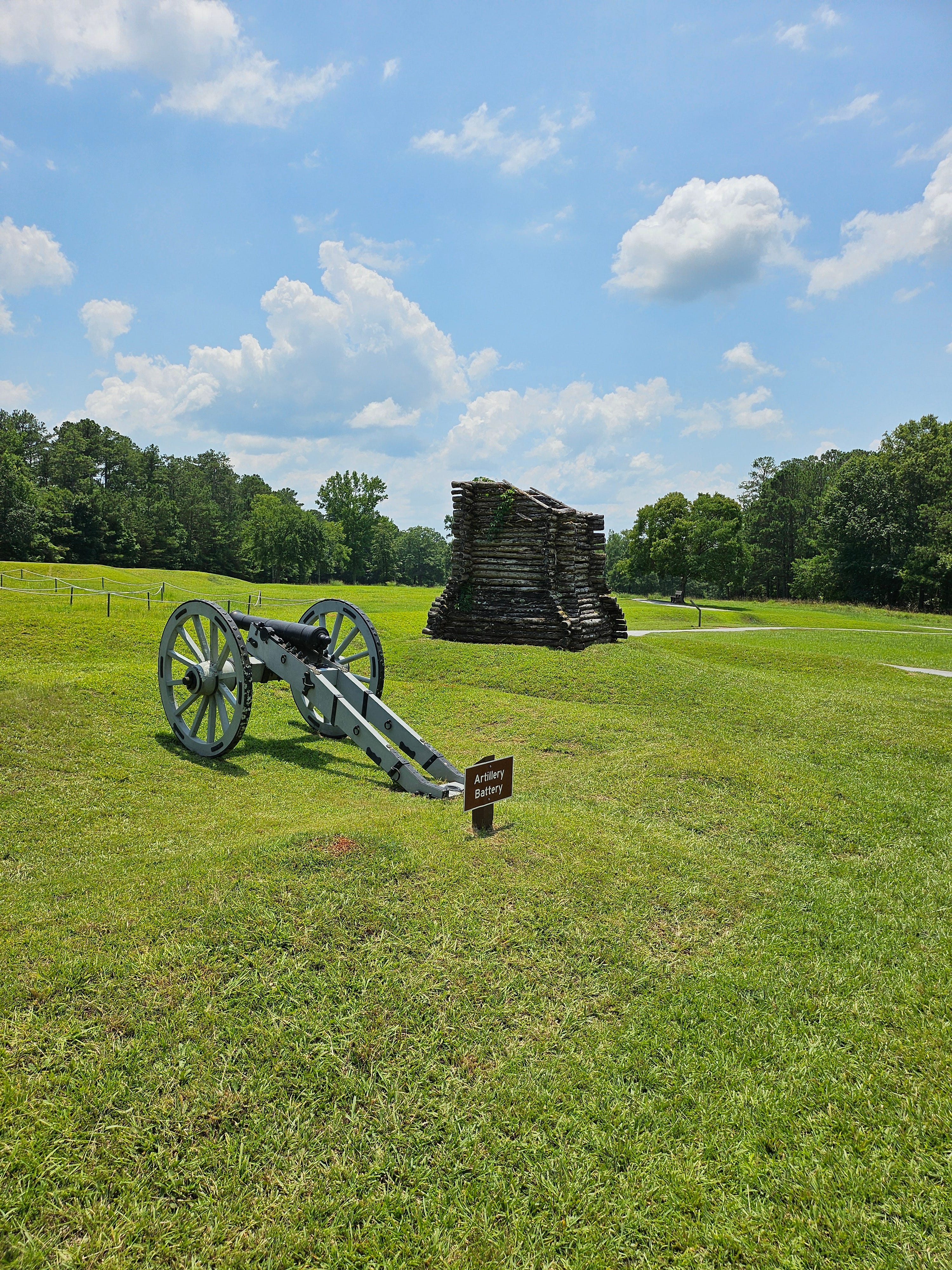
I look forward to sharing it when the time comes. Thanks, everyone!