

Researching Octavia Hall
And how I learned I could never cut it as an 18th century surgeon

I feel like I constantly say “This is my favorite part of writing!” when talking about basically every facet of writing a novel, but if I had to make a firm list, research would be in the second or third spot. (Finishing the book is obviously #1.)
While preparing for Octavia Hall, I spent months poring over books, articles, YouTube videos of bone dissections, and random posts on niche topics (flatboats, anyone?) written on blogs that look like they were built in 2004 and haven’t been touched since.
I am now happy to share the books I read that offered the most bang for their buck.
Book 1
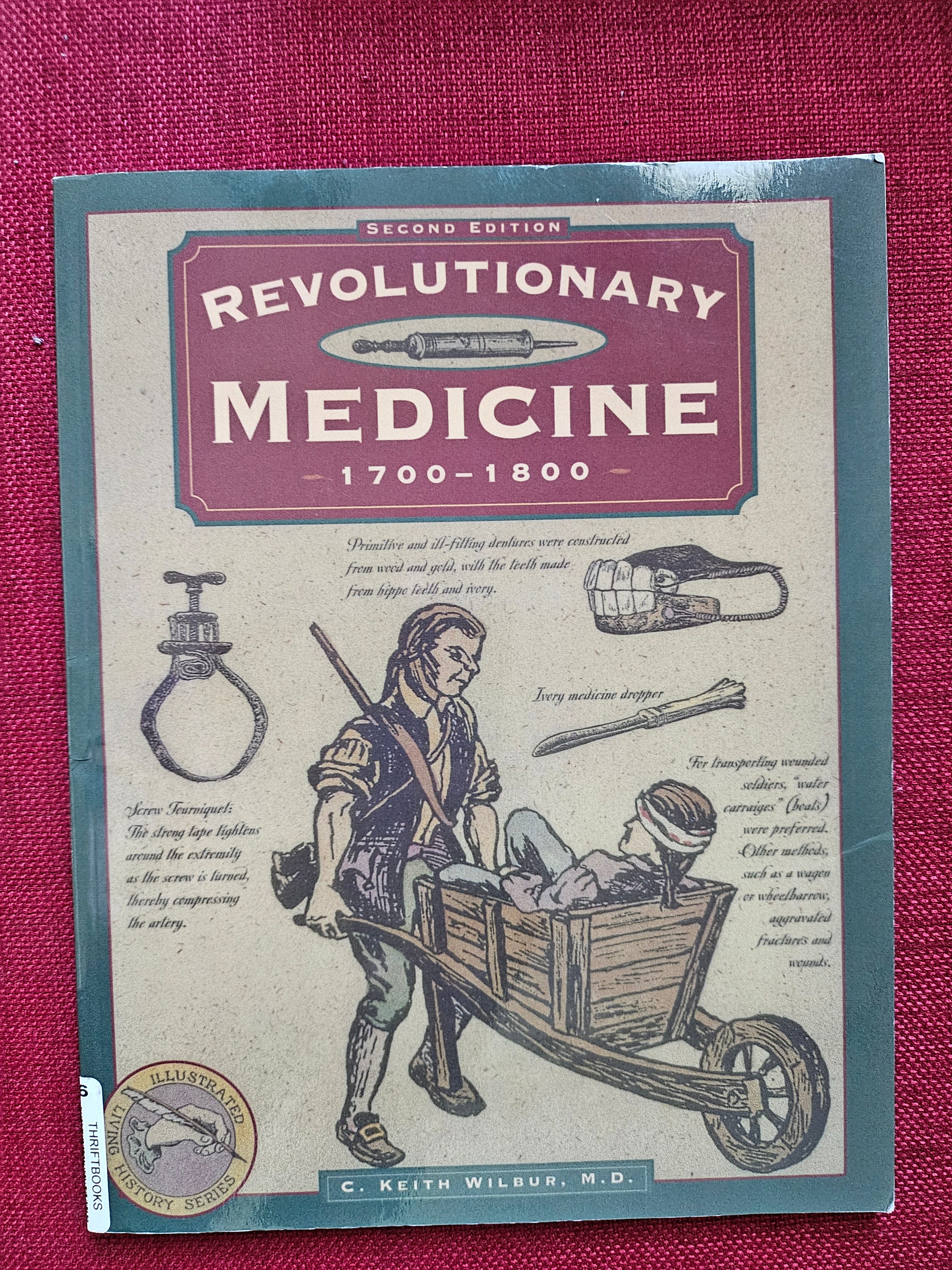
Revolutionary Medicine by C. Keith Wilbur
In the earliest days of brainstorming Octavia Hall I knew I’d have an apothecary as one of my protagonists. An apothecary, for those who are curious, is basically a pharmacist, but like so many occupations in the 18th century their duties often blurred with a surgeon’s. I actually intended for surgery to play a much larger role in the plot, but for reasons I will detail in a later post, the story changed and it was no longer necessary. I have to admit I wasn’t entirely sorry about this change, because the thought of writing about bloodletting (unavoidable for the time period) was unbearable. I can get a shot or a finger prick all day long, but tell me I have to get blood drawn and I start sweating. Of the four times in my life that I have passed out cold, half of those were during blood draws. Just the line drawings in the book made me woozy.
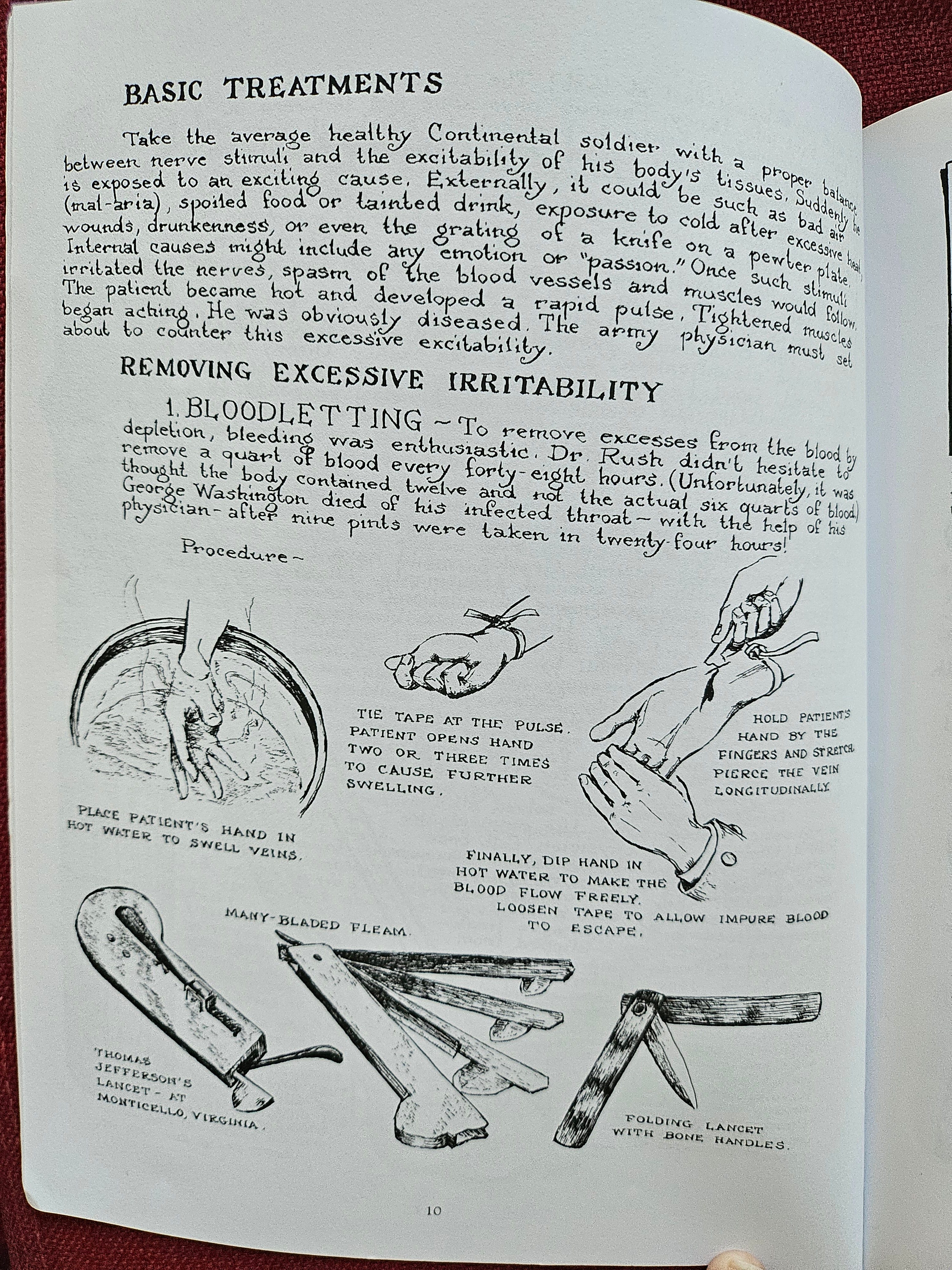
It does have loads of great information about medicines, tools, and practices of the time, along with some very interesting info about infighting between hospitals and independent surgeons. The more things change…
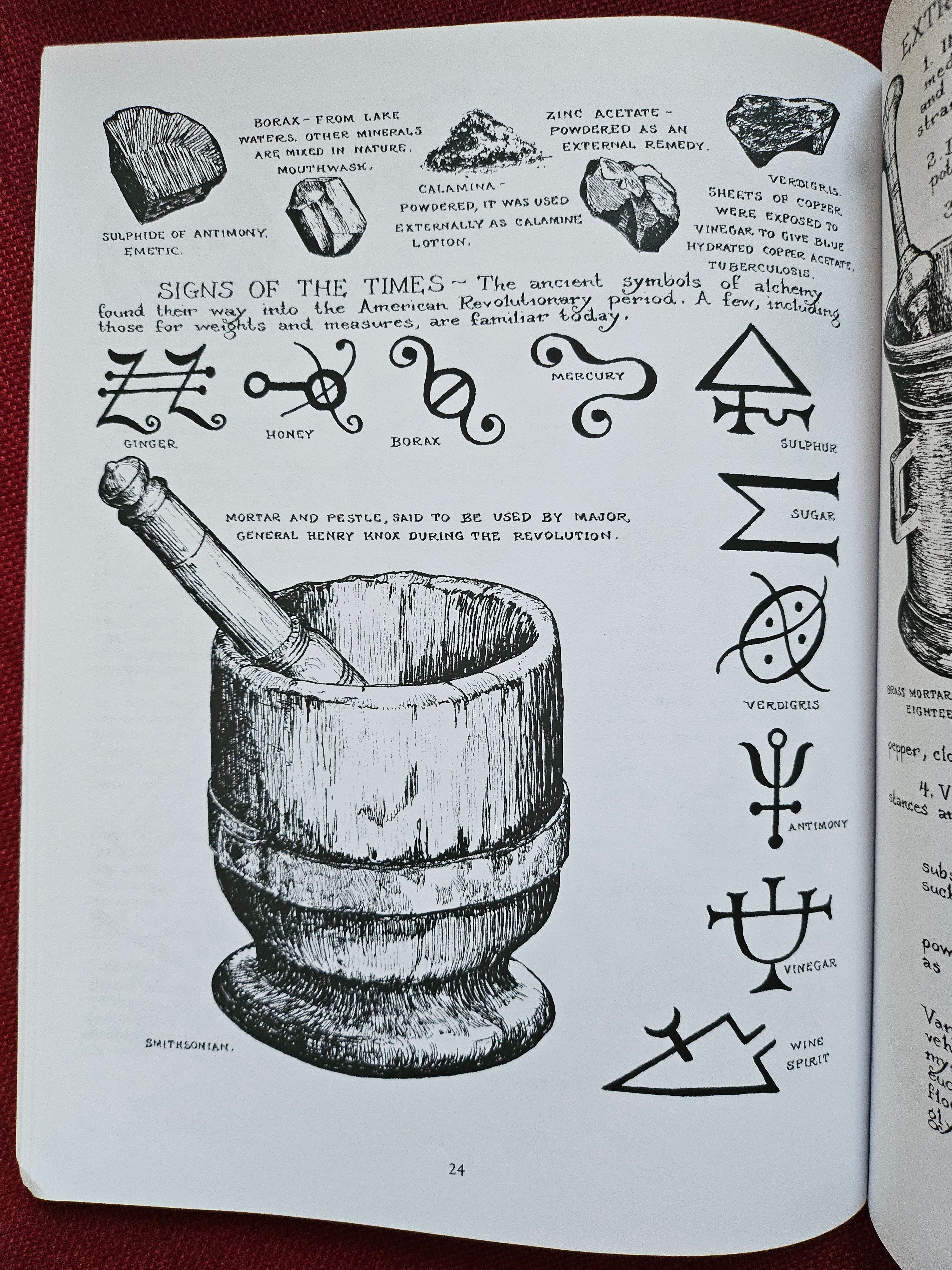
My only gripe is the text font. Full points for old timey-ness, but it was irritating.
Book 2
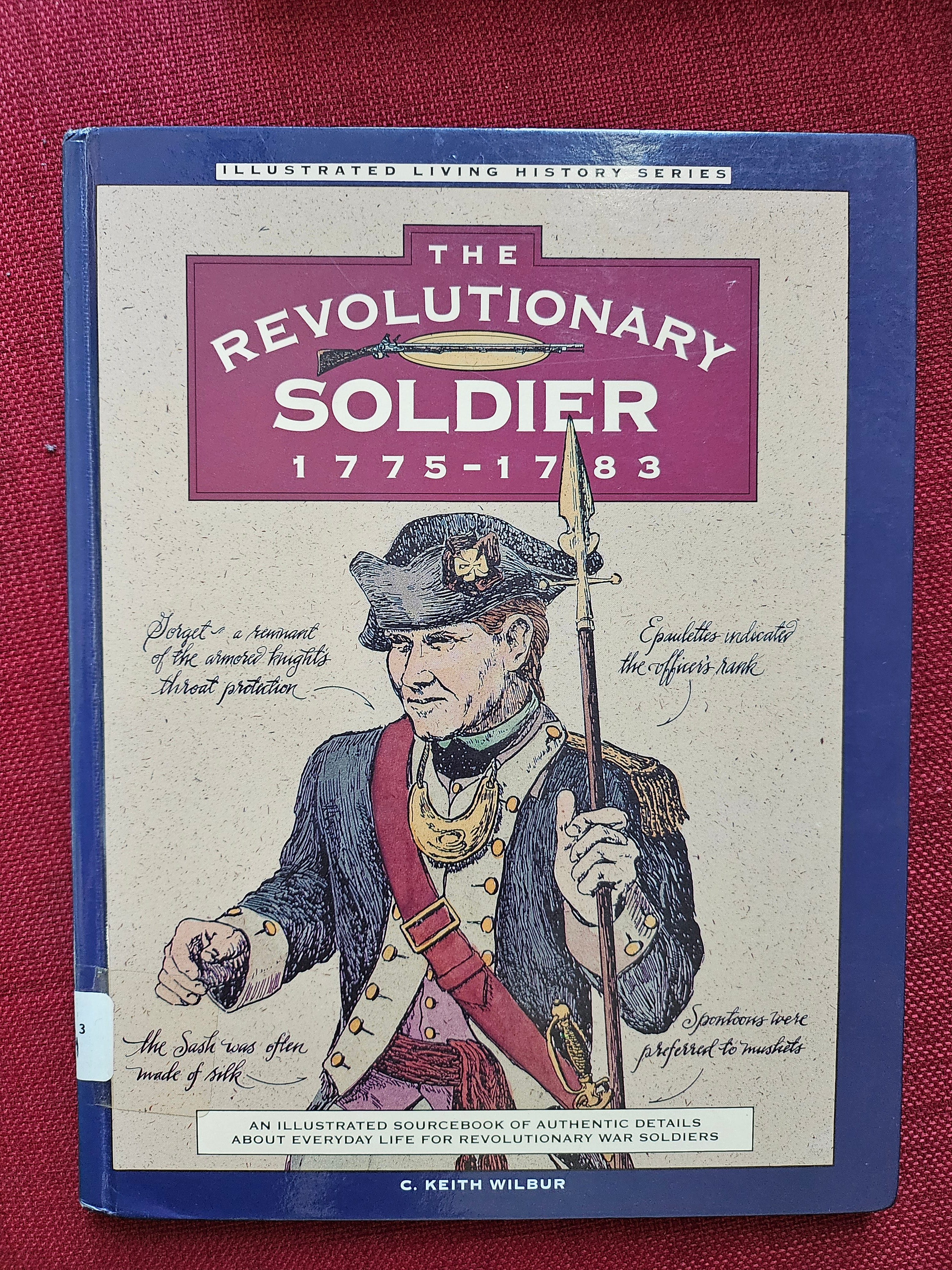
The Revolutionary Soldier by C. Keith Wilbur
A related book by the same author, this is a crash course on uniforms, camp life, and gear. It may not provide enough nuance for the expert, but it was perfect for someone writing a slightly-pulpy historical novel with a romance subplot.
Same complaint about the font, but otherwise five stars.
Book 3
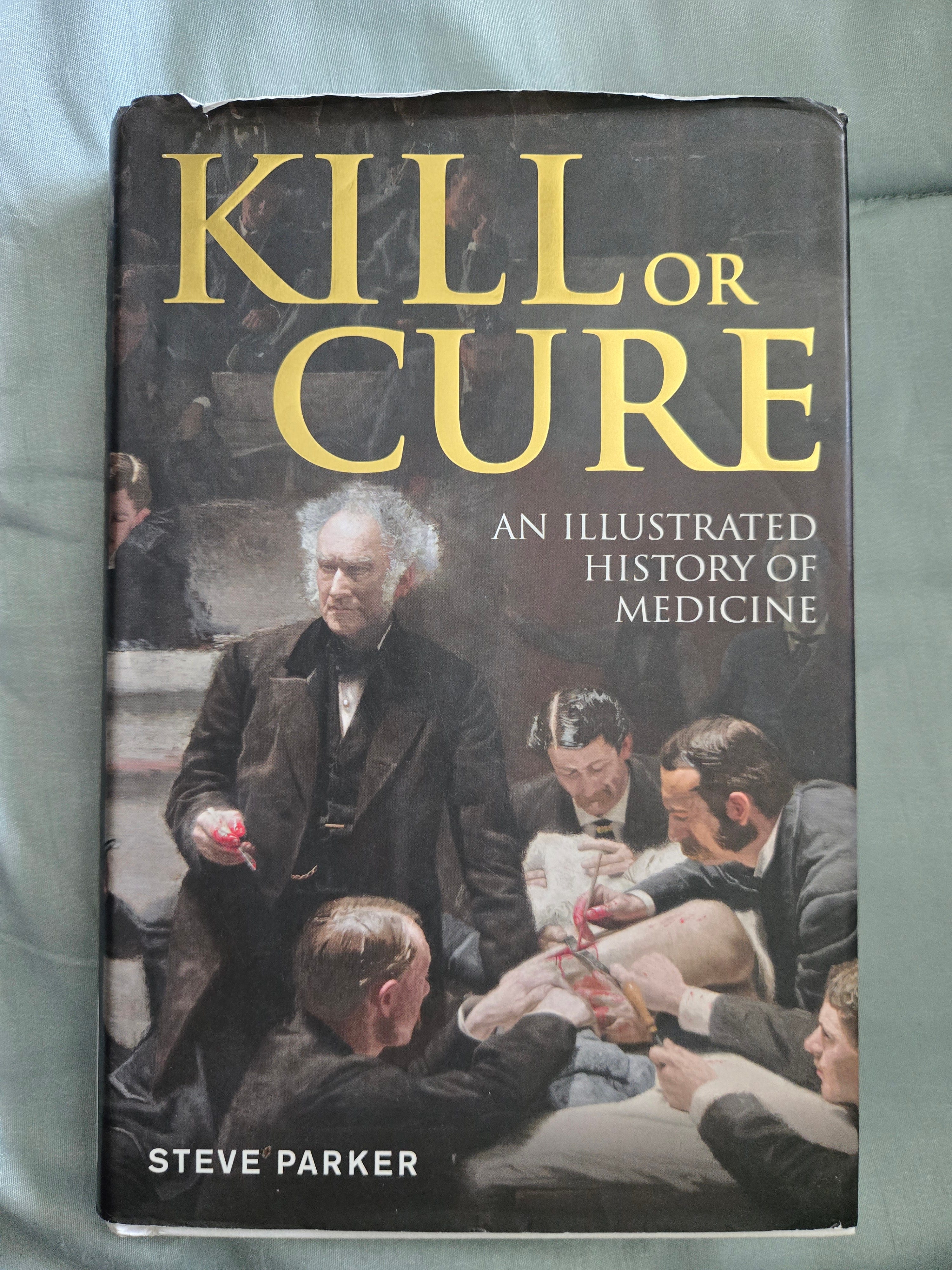
Kill or Cure: An illustrated history of medicine by Steve Parker
I recommend this book for anyone writing historical fiction. If your story is set earlier than 1975 and one of your characters gets so much as a paper cut, please take a look at this book. It tracks the history of medical treatment starting in prehistoric times and the images are super helpful. Questions about humors, bile, or laudanum? This book has got all the details. Remember that scene in Grey’s Anatomy when Izzy drilled a hole in that guy’s head with a Makita? That’s a form of trepanning, a surgical practice that goes back thousands of years, and Parker discusses it at length.


I loved this book and hope to use it again.
Book 4
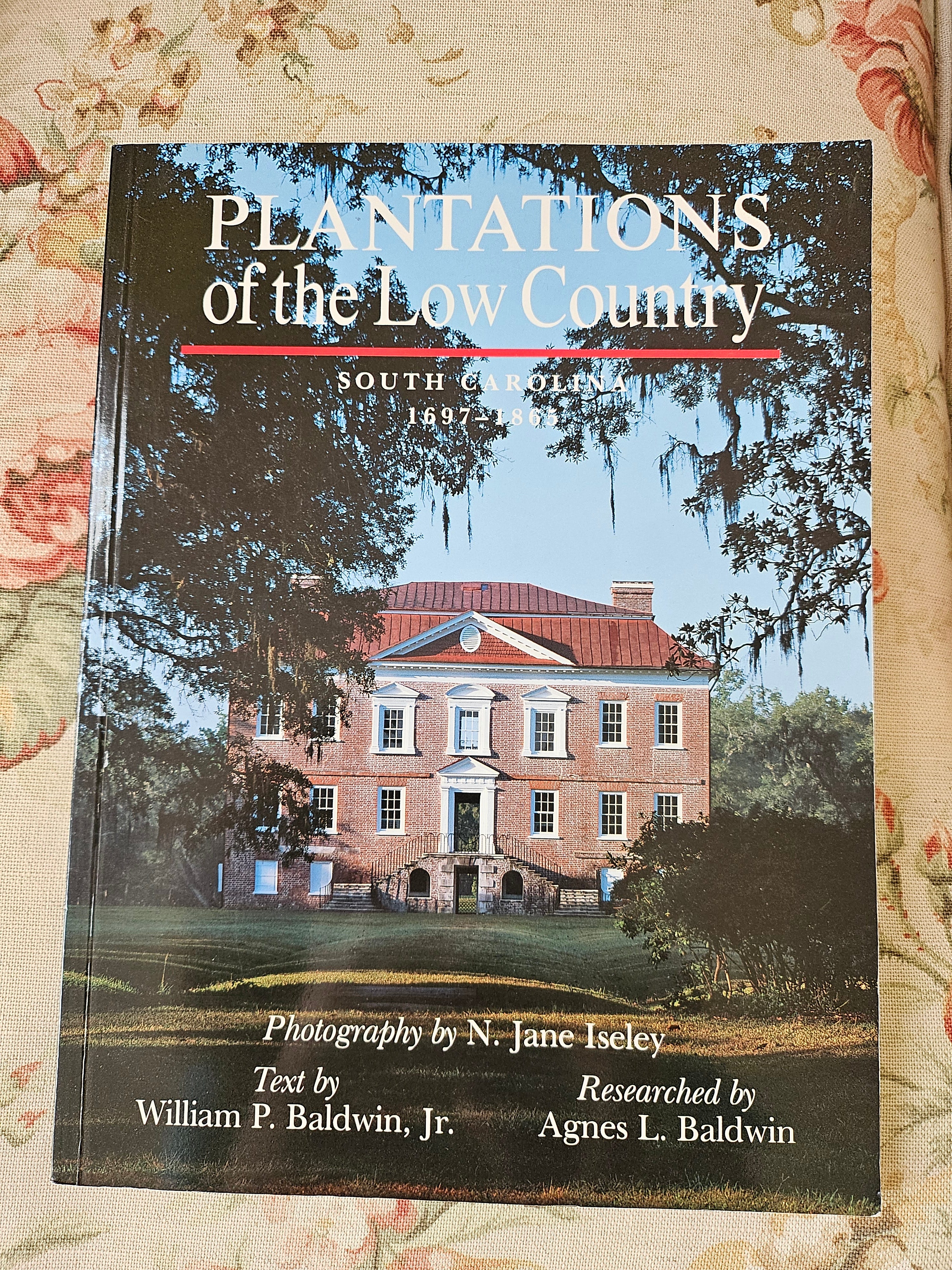
Plantations of the Low Country by N. Jane Iseley, William P. Baldwin, Jr., and Agnes L. Baldwin
This was a last minute addition to my cache, but a worthy one. The opening pages with info about floorplans and house structure were helpful. One caveat is that many of these houses were destroyed over the years (hurricanes, war, earthquakes) and subsequently rebuilt, so they don’t always look the way they would have in the 1780s.
Book 5
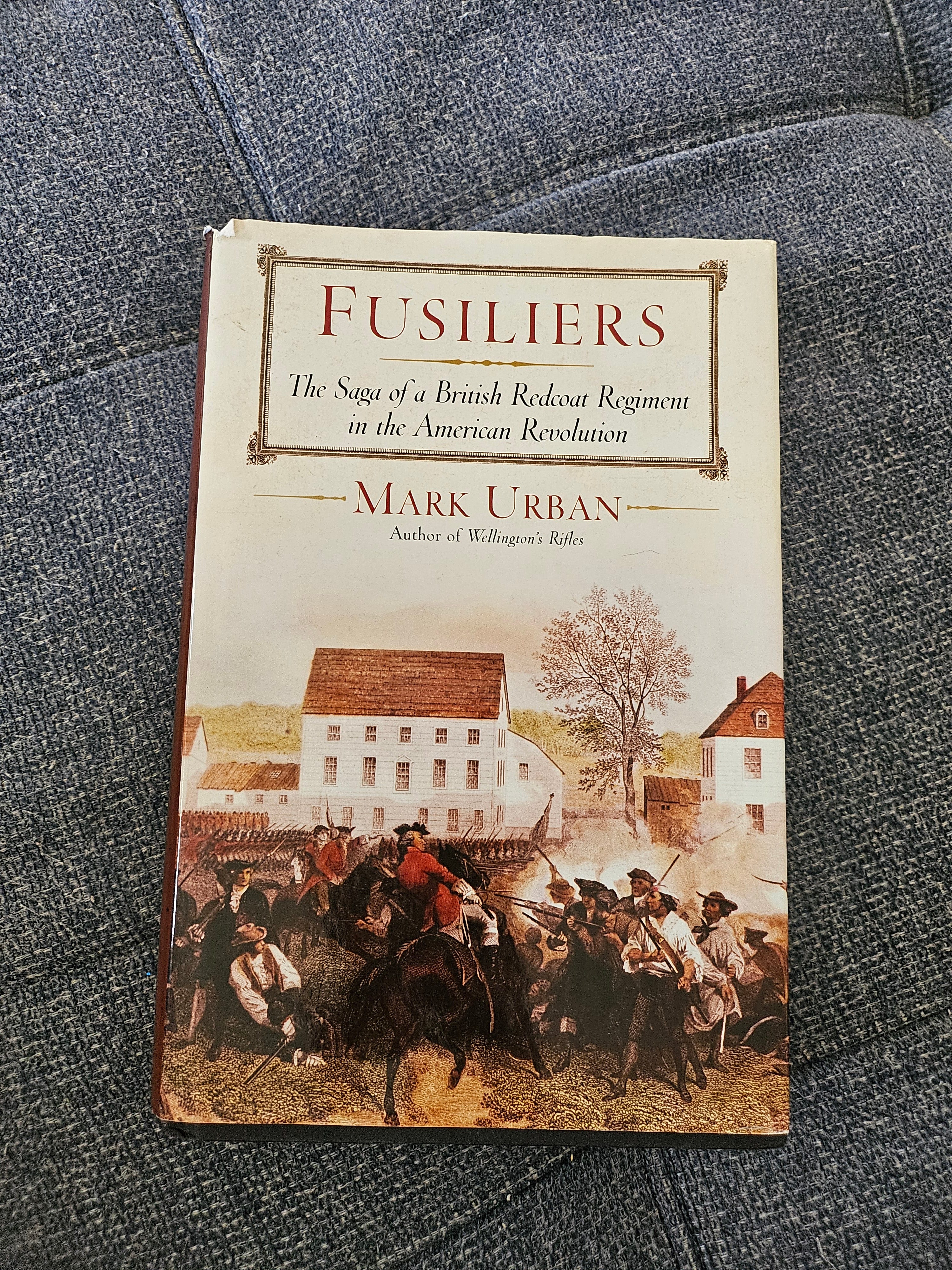
Fusiliers: The Saga of a British Redcoat Regiment in the American Revolution by Mark Urban
I’ve already written about this book in my research roundup for The Turncoat in Carrington Park, which you can read about here, but I couldn’t leave it out. The chapters on Colonel Balfour’s report to Westminster about the progress of the war, and the resulting decision to move the troops to South Carolina, laid the foundation for the entire story. I underlined so many passages in these chapters. I think it’s easy to forget the political turbulence across the pond since the conflict itself played out in America, but the Press Act and shift in recruiting methods had long-lasting impacts both on the British soldiers involved and the outcome of the war itself. It’s fascinating and a great read for anyone who wants a different perspective.
Any other recommendations? I’m always on the lookout for a great resource!
These are great! Revolutionary Medicine sounds fascinating!