

Researching The Turncoat in Carrington Park

I loved, loved, loved, researching The Turncoat in Carrington Park, to the point where it was difficult to stop and actually start the whole, you know, writing-the-book part. While the book is decidedly historical fiction (emphasis on the fiction) it was important to me that I respect the timeline and timbre of the actual events that took place in the winter of 1777-1778. I read dozens of articles online, watched youtube videos of everything from harpsichord performances to how women in the late 1700s got dressed. But the biggest players were the three following books:
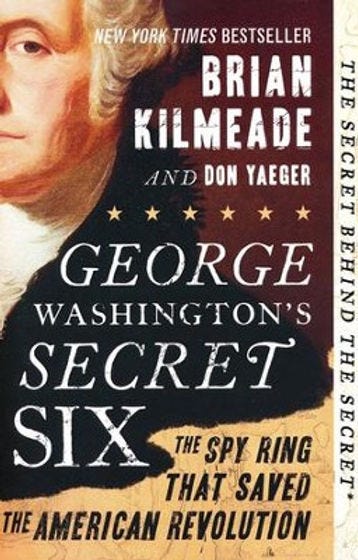
George Washington’s Secret Six: The spy ring that saved the American Revolution by Brian Kilmeade and Don Yaeger. This book is essential reading for anyone who wants to delve into the lives of the real men and women whose bravery and persistence ultimately crippled the British Army. It should be read in every U.S. History class, or by anyone with even a passing interest in the American Revolution. The Culper spy ring is such an important and unusual facet of that time period that it’s a shame they’re as overlooked nearly 250 years later as they were then (though it makes sense, considering the nature of their work).
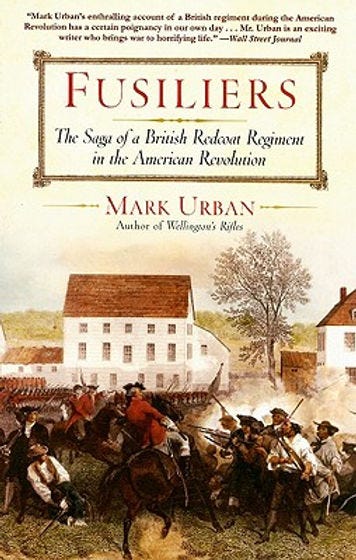
Fusiliers: The saga of a British redcoat regiment in the American Revolution by Mark Urban. This was a fascinating book that I found myself reaching for again and again during the writing process. It’s most important characteristic is that it’s written by a British historian, so the perspective is obviously from the British side. I found so many of my assumptions and stereotypes being challenged while reading this book (though plenty were also confirmed) and even though it was heavier on the military history aspect - think battlefield diagrams and such - than I needed for my purposes, it was still priceless in the insight it provided about the British Army at the time. I also loved learning about what the British people themselves thought about the war, and how public opinion ebbed and flowed in its support over the years - something I had never thought about for one second before I started researching for my story. Urban’s dedication at the start of the book offers a tantalizing hook to the revolution’s ultimate outcome: To those who serve honorably in unpopular wars.
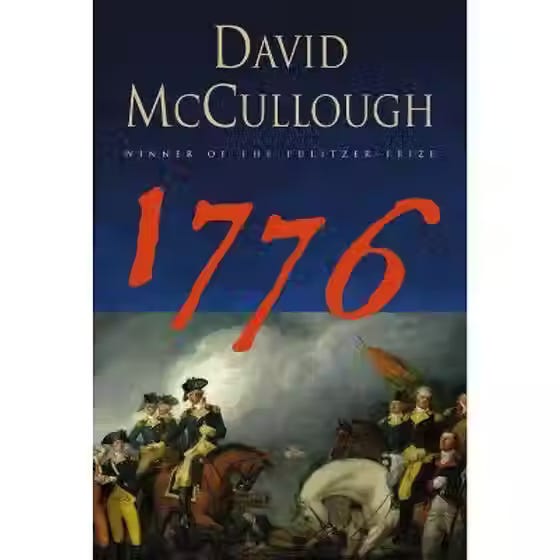
1776 by David McCullough. Full disclosure, I actually did not read this until I was nearly finished writing. But once I picked it up I found it very difficult to put down. Again, this was more about the military history of the time, but it delivered a hefty dose of information about the cultural temperature in the American colonies during that pivotal year - especially in the communities directly impacted by the fighting. I think that very often when we’re discussing the American Revolution on the surface level, we tend to focus on the two “sides”: the British and the Americans. The problem with this framing, apart from the oversimplified Good American/Bad British dichotomy it creates, is that it completely discounts a very large and influential faction: the American Loyalists. Their influence and numbers certainly depended on location and the shifting political moods, but Loyalists were not a tiny, crackpot minority in the colonies. In many cases they were every bit as organized and active as their Rebel neighbors (this is something I will definitely be exploring in a future book). 1776 does a great job of showing that at its root, the American Revolution was more like a civil war than anything else, with families and communities often turning on each other. It offers loads of other valuable information as well, but that was the most impactful takeaway for me.
Please let me know if you’ve read these as well, and what your impressions are in the comments. I’d also love to hear about your favorite resources for research!